
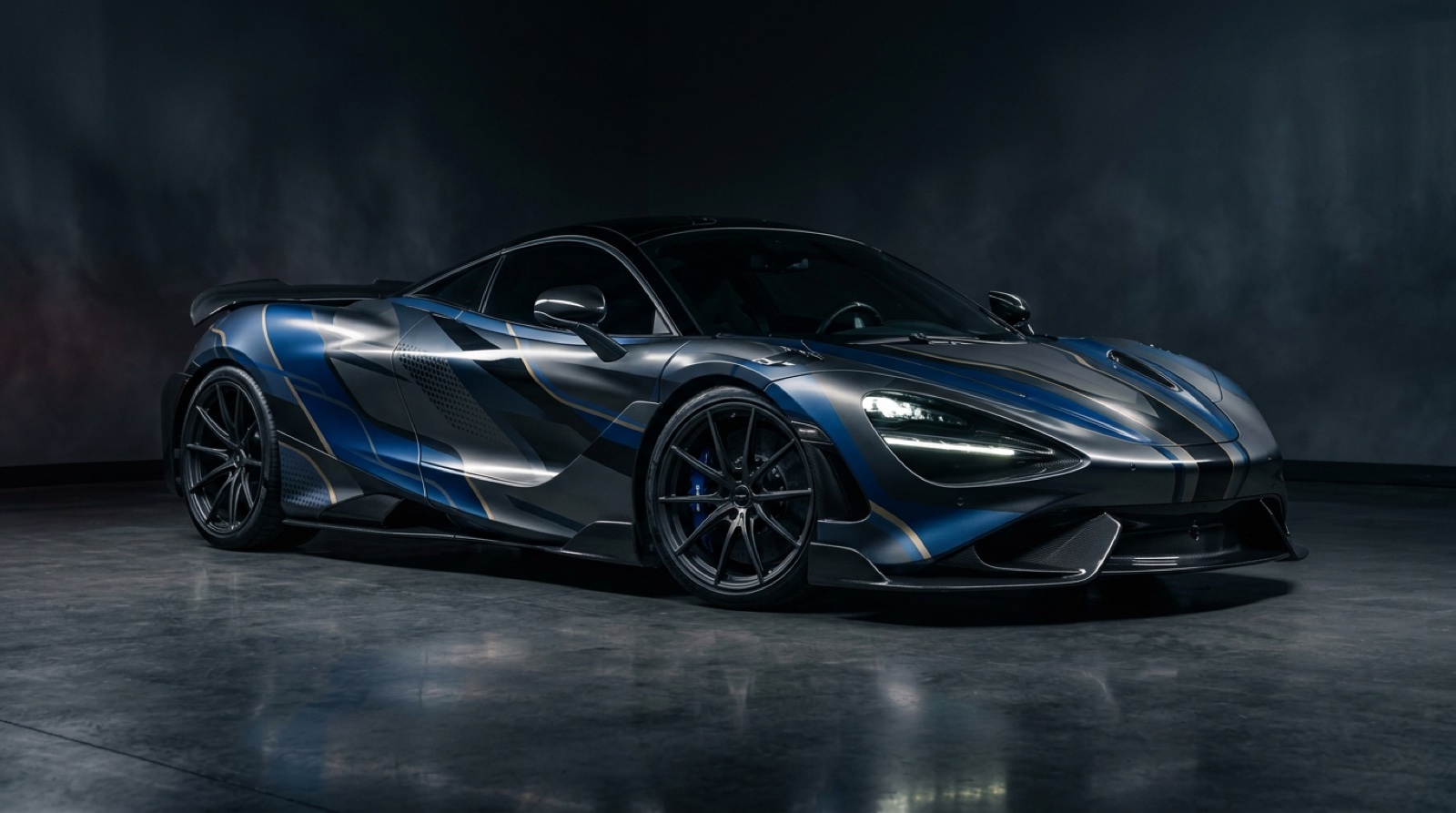
For most drivers in New Orleans, a vinyl wrap is the better value than a repaint. It costs less, protects the factory finish, and can be removed later without hurting resale.
A quality paint job still wins in a few specific cases. Below is how the two compare so you can decide what fits your vehicle and budget.
Choose a wrap if you want a new color, plan to sell or trade the car later, or want to protect the original paint underneath.
Choose paint if the factory finish is already damaged, rusted, or you want a permanent change you never intend to reverse.
Everything else comes down to cost, durability, and how the Gulf Coast climate treats each option.
Price is where the gap is widest. A professional wrap usually lands well under a comparable high-quality paint job.
| Factor | Vinyl Wrap | Repaint |
|---|---|---|
| Typical cost (full vehicle) | Lower | Higher |
| Time in shop | A few days | One to two weeks |
| Reversible | Yes | No |
| Protects factory paint | Yes | No |
A budget repaint can look cheap up front, but low-cost paint tends to fade and peel fast in Louisiana sun.
A wrap gives you a clean, uniform finish for less, and you can explore bold looks through a full color change without committing forever.
Our weather is hard on any finish. Heat, humidity, salt air off the Gulf, and strong UV all take a toll year round.
Vinyl handles this well when installed correctly. A properly cared for wrap holds up for years, and you can read more about that in our guide on how long a wrap lasts here.
Paint is durable too, but sun fade is a real issue on darker colors parked outside all summer. Once clear coat starts to oxidize, the fix is expensive.
If chip protection is your main concern, a clear paint protection film layer guards the finish without changing the look at all.
This is where a wrap really earns its keep. When you sell or trade the car, the vinyl peels off and reveals the original paint underneath.
Buyers value factory paint, and a protected finish often shows almost no wear. A repaint, by contrast, is permanent and can actually lower resale if the color or quality is off.
Wraps also let you change your mind. Drivers in Metairie, Kenner, and Gretna often start with one look and refresh it a couple of years later.
Wraps open up finishes that paint cannot match easily, like matte, satin, chrome, and textured styles.
If you want something one of a kind, a custom wrap design gives you full control over color and graphics. You can also trim shiny badges and accents with a chrome delete for a cleaner, blacked out look.
For businesses, vinyl is the clear choice. Branding your ride with a commercial vehicle wrap turns everyday driving around New Orleans into advertising.
Companies running several trucks or vans usually go with coordinated fleet graphics to keep the whole lineup consistent.
Paint is the right call when the body has rust, deep damage, or a failing clear coat that needs to be addressed at the surface anyway.
It also fits drivers who want a permanent color and never plan to revert. Vinyl needs a smooth surface to adhere, so heavily damaged panels may need bodywork first.
If you only want to freshen part of the car or cover a specific area, a partial wrap can be a smart middle ground.
For most people here, a wrap delivers more flexibility, lower cost, and better resale protection than paint. It also shrugs off our sun and humidity when installed and maintained properly.
Paint stays the answer for permanent changes or vehicles that need real body repair. If you are weighing the two for your car or business, reach out for a free quote and we will walk you through the best option for your goals and budget.
Wrap or Paint? Let's Talk It Through
Get a free, no pressure quote from our New Orleans shop and pick the right finish for your vehicle.