
Does a car wrap affect your insurance? Usually no premium increase, but you must tell your insurer and add coverage if you want the wrap itself protected.
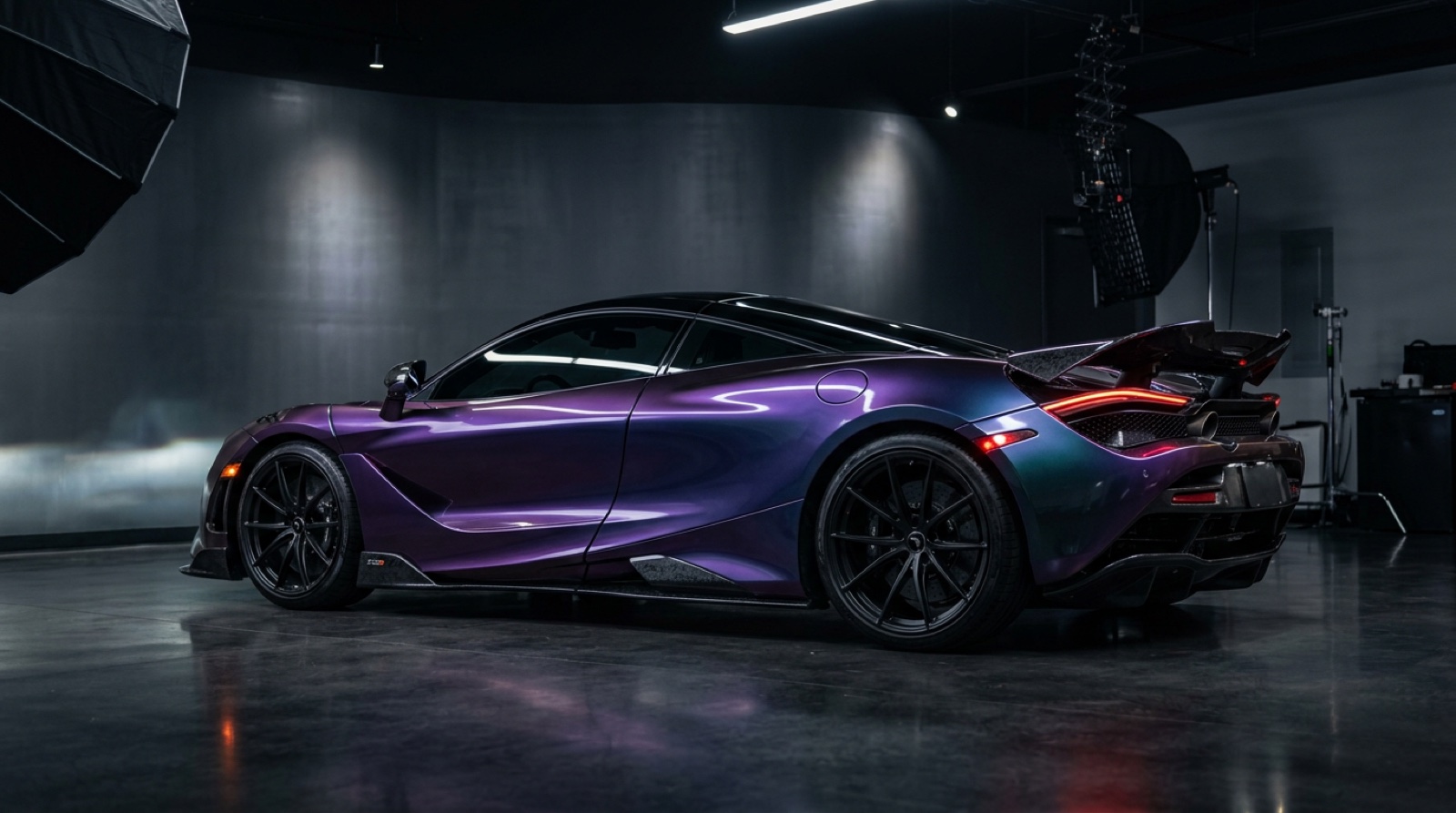
A vinyl wrap almost never raises your car insurance premium on a personal policy. What it does do is create a reporting obligation, because your insurer has your vehicle on file in one color and you are now driving it in another.
The second thing to know is that the wrap itself is not covered by a standard policy unless you specifically add it. Everything below is the detail behind those two points.
Insurance companies identify your vehicle by VIN, plate, and description. Color is part of that description.
If your policy says silver and the car sitting in the adjuster's photos is satin black, the claim does not get denied automatically. It does get slower, and slower claims cost you time you do not want to spend.
Reporting a wrap is a two minute phone call or a message through your insurer's app. Most carriers simply note it in the file and move on.
Vehicle color appears on Louisiana OMV records the same way it appears on your insurance file. A full color change wrap makes that record inaccurate.
It is worth asking the OMV to update the color when you renew, especially if you drive daily through New Orleans and Metairie where plate readers and traffic stops are routine. A mismatch between what an officer sees and what the system returns is an avoidable headache.
Partial coverage is different. If you only wrap the roof, hood, or a few panels, the registered base color is still correct and there is usually nothing to update.
For a personal vehicle, no. Premiums are priced on your driving record, your ZIP code, the vehicle's value, annual mileage, and claim history.
Vinyl does not change the engine, the safety rating, or the market value of the car. There is no rating factor for finish.
Two situations do change the math. The first is business use, covered further down. The second is a genuinely high value custom build where you want the wrap insured, which means adding coverage rather than paying a penalty.
This is where most people are surprised. A standard auto policy insures the vehicle, not aftermarket finishes applied to it.
Ask your agent about custom parts and equipment coverage, sometimes listed as customized equipment. It is typically an inexpensive endorsement and it is the difference between a covered wrap and a replacement you fund yourself.
| Situation | Typically covered? | What matters |
|---|---|---|
| Collision damage to a wrapped panel | Often, if you added custom equipment coverage | Keep your original install invoice |
| Vandalism, keying, or a fallen limb | Usually under comprehensive, minus your deductible | Same documentation applies |
| Hail or storm damage | Comprehensive, if the wrap is scheduled | Relevant here every hurricane season |
| Vinyl fading or lifting from sun and humidity | No | This is an installer warranty question |
| Peeling after a DIY install | No | Workmanship is not an insured peril |
Keep a copy of your invoice and a few clear photos of the finished vehicle. An adjuster who can see documented cost pays documented cost.
Putting your logo and phone number on a vehicle is a public statement that the vehicle is used for business. If that vehicle is still on a personal auto policy, you may have a coverage gap.
Most personal policies exclude or limit business use. Contractors, caterers, and service companies running branded work vehicles around the Greater New Orleans area should be on a commercial auto policy before the graphics go on.
The same goes for anyone building out multiple trucks or vans. Talk to your agent about scheduling the graphics across the whole group when you plan a multi vehicle branding rollout, since replacing six sets of panels after a hailstorm is a real expense.
Your lender or leasing company is a separate approval from your insurer. Lenders generally do not object to removable vinyl, but the lease terms decide what condition the car must be returned in.
Insurance follows the same logic either way. Notify the carrier, schedule the wrap if you want it protected, and keep your paperwork.
Clear film is not an insurance issue at all, because it does not change the vehicle's appearance or registered color. It is a repair cost issue.
Drivers who commute on I-10 and the Pontchartrain Expressway put a lot of gravel and debris against a front bumper. A layer of clear film across the high impact panels takes that damage instead of your paint, and no claim gets filed.
None of this is complicated, and none of it should stop you from wrapping a car. It is fifteen minutes of admin that protects a real investment.
Our shop on Rousseau Street handles everything from one off custom designs to full commercial builds for customers across Kenner, Gretna, and Metairie. If you want a written quote you can hand straight to your agent, get in touch and we will put one together.
Get a Wrap Quote Your Agent Can Use
We provide itemized written quotes so your insurer knows exactly what the wrap is worth.